
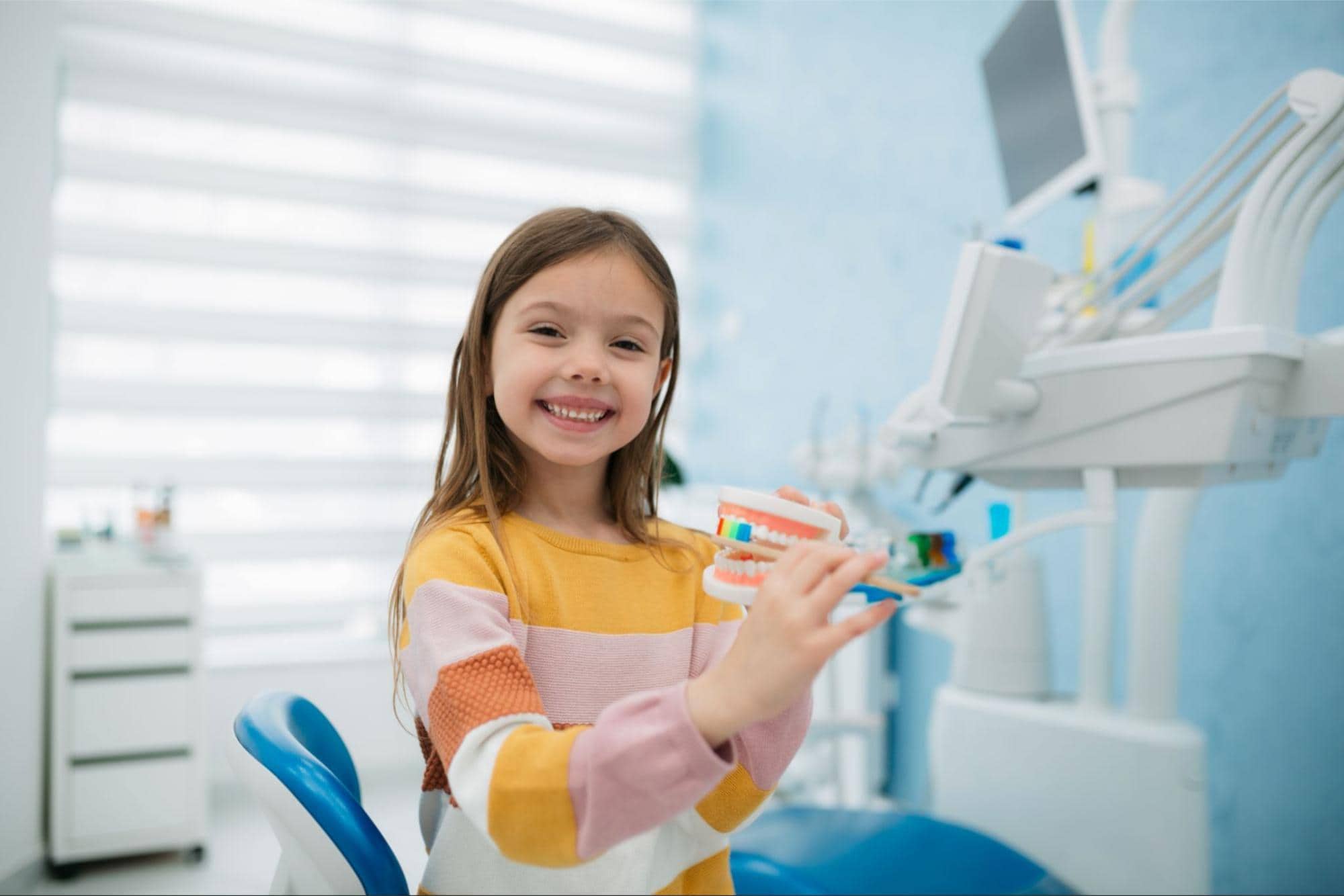
Finding the right pediatric dentist matters more than most parents realize. Your child’s early dental visits shape how they feel about oral care for life. At Panhandle Pediatric Dentistry, we know choosing a dental home can feel overwhelming, so this guide walks you through what to look for, what to ask, and what to expect when you want the best care for your kids.
What Is a Pediatric Dentist?
A pediatric dentist is a specialist who completes two to three additional years of training beyond dental school, focused entirely on treating infants, kids, and teens. This training covers child behavior, growth and development, and care for kids with special healthcare needs. It’s why pediatric dentists are well equipped to handle young smiles.
General dental school teaches the basics of treating all ages. Pediatric residency goes further, with hands-on training in hospitals, sedation dentistry, and behavior guidance.
Our experts at Panhandle Pediatric Dentistry have specialized training in children’s behavioral health, which helps us create stress-free, kid-friendly visits from the first visit. Several of our doctors also bring special needs dentistry expertise to every family we welcome through our doors.
A pediatric dental home is built differently, too. The waiting room, exam chairs, and even the language we use are designed with kids in mind. That kid-first environment helps reduce dental anxiety and builds trust from day one.
How to Choose the Right Pediatric Dentist: Step by Step
Choosing the right pediatric dentist comes down to five key steps: verifying credentials, reviewing care, touring the dental home, reading reviews, and checking convenience. Following these steps helps you find a dental home that fits your child’s needs and your family’s schedule, so let’s look closely at each one.
Verify board certification and specialty training. Look for a pediatric dentist who is board-certified or board-eligible. At Panhandle Pediatric Dentistry, our team includes board-certified and board-eligible pediatric dentists who train specifically to care for young smiles. Ask about each expert’s residency and ongoing education so you know your child is in skilled hands.
Check the range of care offered. A strong dental home should offer preventative care, restorative options, sedation dentistry, hospital dentistry, and emergency visits. This way, your child can stay with the same team as their needs change over the years.
Tour the dental home before booking. Walk through the space. Is it clean? Bright? Built for kids? Our offices feature an open-office policy so parents/guardians can stay with their kids during care, which gives you a clear view of how our team works.
Read reviews and ask about anxious kids. Look for real patient reviews and ask how the team handles dental anxiety. Behavior guidance training makes a real difference for children who feel nervous before a visit.
Confirm location and hours. We make it easier to find a visit time that works for your family, with flexible scheduling that fits busy weeks. A nearby dental home with hours that match your routine keeps regular care simple.
Benefits of Choosing a Specialized Pediatric Dentist
Choosing a specialist instead of a general dentist offers real, lasting benefits for your child. Below, two common questions show why specialized care stands out for families.
How does a pediatric specialist help my child long term?
- Child-focused expertise. Pediatric training shapes lifelong habits. Kids who start visits early tend to have fewer cavities and easier visits as they grow.
- Early detection. Pediatric experts spot alignment, bite, and developmental issues early, when they’re easier to address.
- Care that grows with your child. From the first tooth through the teen years, your child stays with a team that knows their history and remembers what makes them comfortable.
What makes a pediatric dental home feel different?
- Behavior guidance. Our team uses tested techniques to ease fear and build trust. That includes the option of laughing gas for kids who need extra help relaxing.
- A kid-first environment. Every part of the dental home, from the chairs to the artwork, is built for kids. That makes care feel less clinical and more comfortable for the whole family.
Our doctors at Panhandle Pediatric Dentistry bring specialized pediatric training to every visit, and we partner with a board-certified pediatric anesthesiologist for kids who need deeper sedation dentistry. That depth of training means your child gets care made just for kids at every step.
Pediatric Dentist vs. General Dentist: What’s the Difference?
Both pediatric and general dentists can clean teeth and fill cavities. The difference lies in training, environment, and approach.
| Feature | Pediatric Dentist | General Dentist |
|---|---|---|
| Extra training after dental school | 2-3 years focused on kids | None required for pediatric care |
| Specialty in child behavior | Yes, including anxious kids | Varies by practice |
| Kid-sized equipment | Standard in every room | Not always available |
| Special healthcare needs care | Trained as part of residency | Not typically covered |
| Office design | Built for kids | Built for general adult patients |
| Sedation dentistry for kids | Often available, including hospital care | Limited options |
A general dentist may do a fine job with a routine cleaning for an older child. But for younger kids, anxious kids, or kids with special healthcare needs, a pediatric specialist offers training that a general dentist simply hasn’t received. If you’re also weighing a family practice for the whole household, our breakdown of pediatric dentist vs family dentist covers that comparison side by side.
That’s the heart of “eight specialists, one mission” at our practice. Every doctor on our team trains specifically to treat kids, which means your child gets care made just for kids every single visit, no matter their age or comfort level.
What Affects the Cost of Pediatric Dental Care?
The cost of pediatric dental care depends on the type of visit, whether sedation dentistry is needed, your insurance coverage, and whether the care is preventative or restorative. Routine checkups cost less than restorative treatments, and preventative care typically saves families money over time by catching small concerns early.
Here’s what shapes the final cost:
- Type of visit. Cleanings, exams, and fluoride treatments are the most affordable visits. Restorative care like fillings or crowns costs more.
- Sedation dentistry. Laughing gas adds a small cost. Deeper sedation, including hospital dentistry with a board-certified pediatric anesthesiologist, costs more but keeps anxious or younger kids safe and comfortable.
- Emergency visits. Same-day care for chipped or knocked-out teeth varies depending on the treatment needed.
- Insurance and payment options. Coverage varies by plan, so check what your insurance includes before your visit.
- Preventative care pays off. Regular cleanings, sealants, and fluoride catch problems early, often before they need bigger treatments down the road.
The American Academy of Pediatric Dentistry (AAPD) notes that early preventative care is one of the most cost-effective parts of children’s healthcare.
Why Choose Panhandle Pediatric Dentistry for Your Kids
When you want a dental home built for your kids, our team focuses on one thing: care made just for kids. Every expert on our team trains specifically to work with infants, children, and teens, so your child feels at ease from the very first hello.
We keep an open-office policy, which means parents/guardians can stay close during care. Our experts use behavior guidance and laughing gas options to support kids who feel nervous, and we partner with a board-certified pediatric anesthesiologist for those who need deeper sedation dentistry. We also welcome kids with special healthcare needs, drawing on specialized training that not every dental home can offer.
From the first tooth through the teen years, our doctors get to know your child’s history and what helps them stay comfortable. That steady relationship builds trust, eases dental anxiety, and helps your family feel confident about every visit.
When Should Your Child See a Pediatric Dentist?
The AAPD recommends that kids see a pediatric dentist by age one or within six months of their first tooth, whichever comes first. Early visits help your child get used to the dental home and let our team catch issues before they grow.
You should also schedule a visit if your child:
- Has dental anxiety or had a tough time at a previous visit
- Needs sedation dentistry or special healthcare accommodations
- Experiences a dental emergency, like a knocked-out or chipped tooth
- Is due for a routine checkup (typically every six months)
- Hasn’t been seen by a pediatric specialist before
Even if your child’s teeth look healthy, regular visits build the habits and comfort that lead to a lifetime of healthy smiles.
Frequently Asked Questions About Choosing a Pediatric Dentist
At what age should my child first see a pediatric dentist?
The AAPD recommends a first visit by age one or within six months of the first tooth eruption. Early visits help your child get familiar with the dental home and let our experts spot any concerns early. It also gives parents/guardians a chance to ask questions about brushing, teething, and nutrition.
Is sedation dentistry safe for children?
Yes, when provided by trained pediatric experts. Inhalation sedation, also called laughing gas, is a safe and gentle way to help your child relax during care. For deeper sedation, we partner with a board-certified pediatric anesthesiologist who monitors your child the entire time, so you know they’re safe.
What should I bring to my child’s first dental visit?
Bring your child’s insurance card, any medical history forms, a list of medications, and a favorite comfort item if it helps them feel at ease. Arriving a few minutes early gives your child time to look around and meet the team before the visit starts.
How often should kids visit the dentist?
Most kids should visit every six months for a checkup and cleaning. Some children with a higher risk of cavities or specific dental needs may benefit from more frequent visits. Our doctors will recommend the right schedule based on your child’s needs.
What do I do during a pediatric dental emergency?
Stay calm and call our team right away. For a knocked-out permanent tooth, pick it up by the crown, rinse it gently, and keep it moist until you reach us. For a knocked-out baby tooth, don’t try to reinsert it. For toothaches, rinse with warm salt water and call to schedule a same-day visit.
Ready to find your child’s new dental home? We welcome new families every day and would love to meet your kids. Schedule a visit with Panhandle Pediatric Dentistry and give your child a healthy smile today.